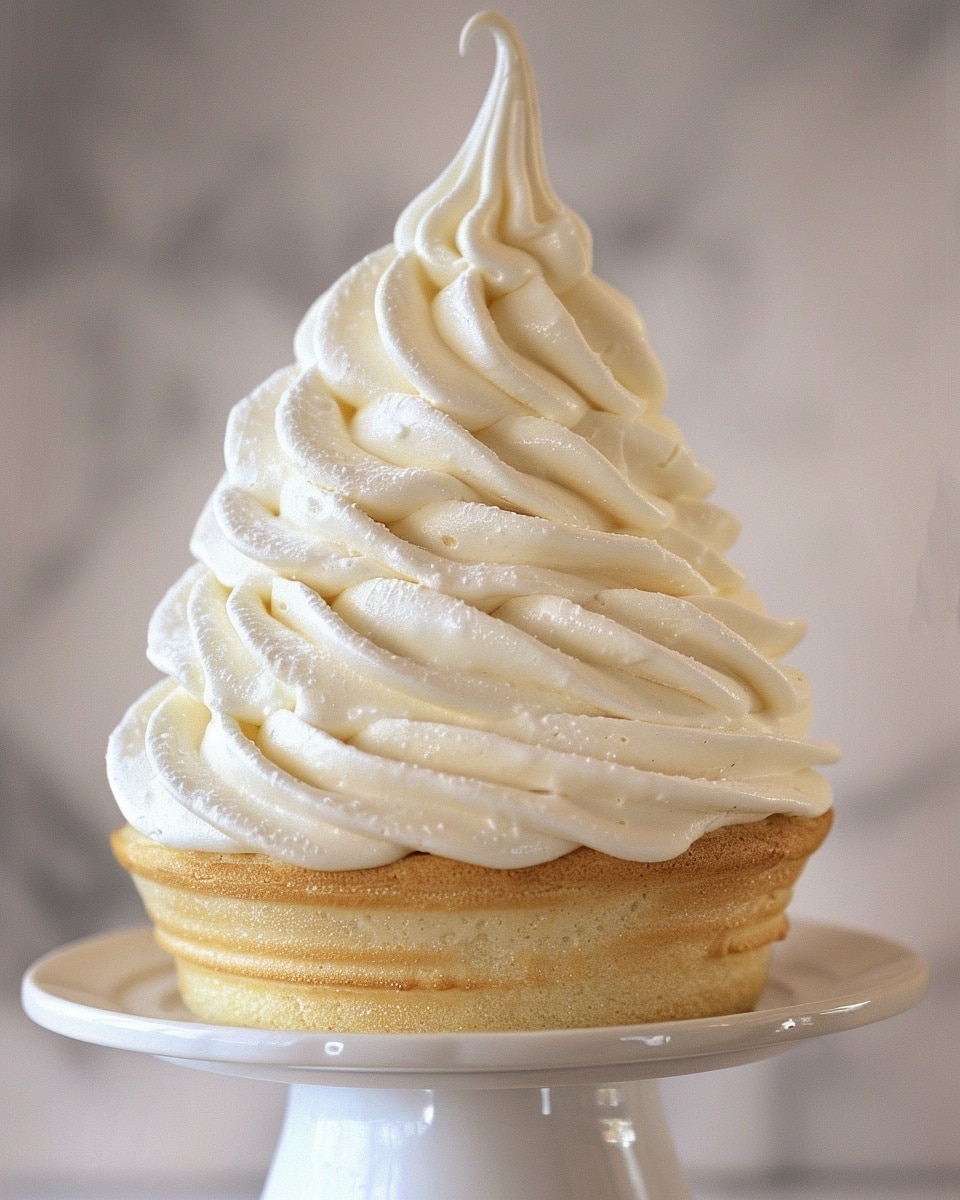
Meringue is a versatile and elegant preparation that can transform simple desserts into bakery-quality creations. Whether you want a light topping, a stable frosting, or a glossy decorative finish, mastering Swiss, French, and Italian meringue gives you complete control in the kitchen. Each method has its own texture, stability, and purpose, making them essential techniques for any baking enthusiast.
Why You’ll Love This Recipe
These three meringue methods cover all your baking needs. French meringue is quick and beginner-friendly, perfect for light baking projects. Swiss meringue offers a silky, smooth texture ideal for buttercream and cupcake toppings. Italian meringue is the most stable and professional option, great for decorating and holding its shape beautifully.
You’ll also appreciate how these recipes use simple ingredients while delivering impressive results. Once you understand the techniques, you can confidently create desserts that look and taste like they came from a pastry shop.
Ingredients
(Tip: You’ll find the full list of ingredients and measurements in the recipe card below.)
Swiss Meringue
4 egg whites
200 g sugar
French Meringue
4 egg whites
200 g sugar
1 pinch salt
Italian Meringue
4 egg whites
240 g sugar
80 ml water
Directions
Swiss Meringue
Start by combining egg whites and sugar in a heatproof bowl. Place the bowl over a pot of simmering water, ensuring the bottom does not touch the water. Whisk continuously until the sugar dissolves completely and the mixture feels smooth, not grainy. Once warmed, transfer to a mixer and beat on high speed until stiff, glossy peaks form and the mixture cools down.
French Meringue
In a clean, dry bowl, begin whisking the egg whites with a pinch of salt until they become foamy. Gradually add sugar while continuing to beat. Keep whisking until stiff peaks form and the meringue looks glossy. This method does not involve heat, so it is the quickest but also the least stable.
Italian Meringue
Heat sugar and water in a saucepan to create a syrup. Bring it to a soft-ball stage while monitoring carefully. Meanwhile, beat egg whites until soft peaks form. Slowly pour the hot syrup into the egg whites while whisking continuously. Continue beating until the mixture becomes thick, glossy, and cool. This results in a very stable and smooth meringue.
Servings and timing
Each recipe yields enough meringue to frost approximately 12 cupcakes or one medium-sized cake.
Preparation time for French meringue is about 10 minutes. Swiss meringue takes around 15 minutes due to the heating step. Italian meringue requires about 20 minutes because of syrup preparation. No baking time is required unless you choose to dry or bake the meringue afterward.
Variations
You can easily adapt these meringues to suit different flavors and uses. Add vanilla extract for a classic taste or experiment with almond or lemon extract for a fresh twist. For a chocolate version, gently fold in cocoa powder after whipping.
Coloring is another fun option, especially for decorating cakes and cupcakes. Use gel food coloring to maintain the meringue’s structure without adding excess liquid.
For a richer frosting, Swiss meringue can be turned into buttercream by gradually adding softened butter while mixing until smooth and creamy.
Storage/Reheating
Meringue is best used immediately after preparation for optimal texture and stability. However, you can store it in an airtight container in the refrigerator for up to 24 hours.
Before using stored meringue, re-whip it briefly to restore its texture. Avoid freezing, as it can cause separation and loss of structure.
If baked into meringue cookies or shells, store them in a dry, airtight container at room temperature for several days. Keep them away from humidity, which can make them sticky.
FAQs
What is the difference between the three meringues?
French meringue is raw and light, Swiss is gently heated and smoother, and Italian is cooked with syrup and highly stable.
Which meringue is best for beginners?
French meringue is the easiest and quickest to make, making it ideal for beginners.
Why is my meringue not forming stiff peaks?
This can happen if there is any fat or moisture in the bowl or if the egg whites are not whipped long enough.
Can I use powdered sugar instead of granulated sugar?
Granulated sugar is preferred for stability, but powdered sugar can be used in French meringue with slight texture differences.
How do I know when sugar is dissolved in Swiss meringue?
Rub a small amount between your fingers; it should feel completely smooth without grains.
Is Italian meringue safe to eat?
Yes, the hot syrup cooks the egg whites, making it safe and stable.
Can I make meringue without a mixer?
It is possible by hand, but it requires significant effort and time to achieve stiff peaks.
Why does my meringue weep or leak liquid?
Overbeating or underdissolved sugar can cause this issue.
Can I flavor meringue?
Yes, extracts, citrus zest, or even coffee can be added carefully after whipping.
What is the best meringue for frosting cakes?
Italian meringue is the most stable, while Swiss meringue is preferred for a smoother, creamier finish.
Conclusion
Mastering Swiss, French, and Italian meringue opens up endless possibilities in baking. Each method brings its own strengths, from quick and airy to rich and stable. With just a few ingredients and the right technique, you can elevate your desserts and confidently create beautiful, professional-quality treats at home.
A complete guide to Swiss, French, and Italian meringues—three essential techniques for creating light, silky, or stable toppings and frostings with simple ingredients.
Ingredients
Swiss Meringue:
4 egg whites
200 g sugar
French Meringue:
4 egg whites
200 g sugar
1 pinch salt
Italian Meringue:
4 egg whites
240 g sugar
80 ml water
Instructions
Swiss Meringue: Combine egg whites and sugar in a heatproof bowl. Place over simmering water and whisk until sugar dissolves. Transfer to a mixer and beat until stiff, glossy peaks form and mixture cools.
French Meringue: Beat egg whites with salt until foamy. Gradually add sugar while whipping until stiff, glossy peaks form.
Italian Meringue: Heat sugar and water to soft-ball stage. Beat egg whites to soft peaks, then slowly pour hot syrup while whisking. Continue beating until thick, glossy, and cooled.
Notes
Ensure bowls are clean and grease-free for best results.
Use room temperature egg whites for better volume.
Do not rush sugar incorporation to avoid grainy texture.